Blog
Clenbuterol Before and After – Results, Fat Loss, Risks, and What to Expect

Nov
1. Understanding Clenbuterol
Clenbuterol is a long-acting beta-2 adrenergic agonist that works by stimulating beta-2 receptors in the body. It is primarily known as a bronchodilator, a type of medication that relaxes airway muscles and helps improve airflow. In some countries, it has been used medically for respiratory conditions, although it is not approved for human use in the United States. Outside medical settings, Clenbuterol before and after has attracted attention in bodybuilding and fitness communities because of claims that it can influence body composition, increase thermogenesis, and support fat reduction. These claims have helped make it a frequently discussed substance among people interested in achieving a leaner appearance. However, its popularity should not be confused with established clinical effectiveness. Human evidence supporting its use for fat loss or muscle preservation remains inadequate, while its potential for serious toxicity is well documented. Understanding how the drug works, what research actually demonstrates, and why its misuse can be dangerous is essential before interpreting transformation photographs or personal testimonials. Poison Control+1
2. Why People Search for Clenbuterol Before and After
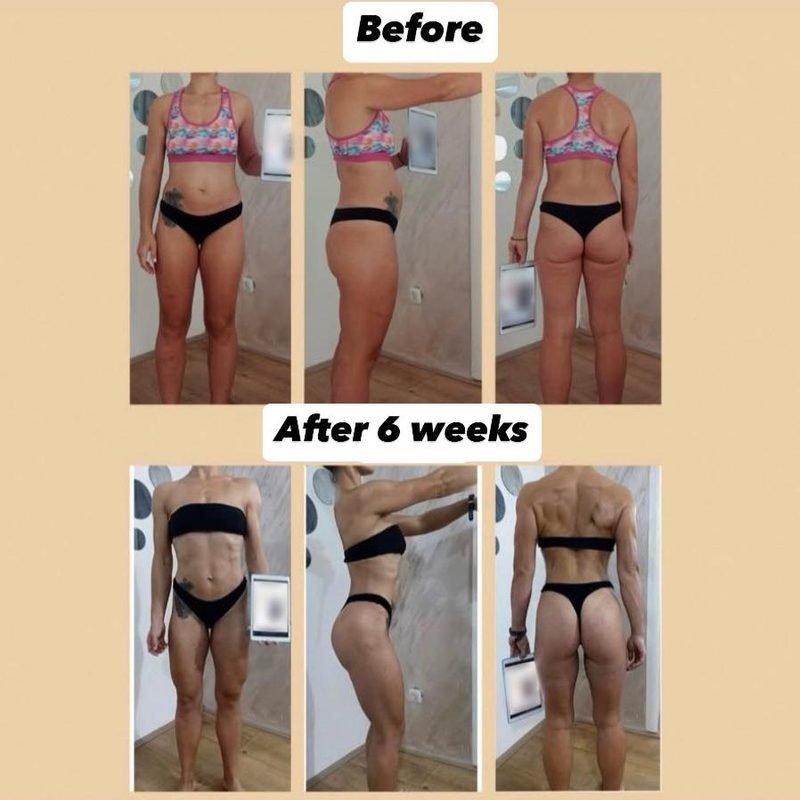
The search term clenbuterol before and after is popular because people want visual evidence of whether the substance produces noticeable physical changes. Bodybuilding audiences often look for comparisons showing differences in waist size, abdominal definition, body fat percentage, muscle separation, and overall muscular appearance. Social media has amplified this interest, with transformation photographs and personal testimonials frequently presented as evidence of successful fat-loss journeys. Yet these photographs rarely provide enough information to establish what caused the transformation. A person might have changed their nutrition, increased physical activity, improved sleep, or used several substances simultaneously. Lighting, camera angles, posing, hydration, and temporary changes in muscle fullness can also dramatically influence appearance. Consequently, a photograph showing a leaner physique after a period of time does not establish that clenbuterol produced the change. Readers should approach dramatic claims with curiosity rather than automatically accepting them as scientific proof.
3. What Does Clenbuterol Before and After Actually Show?
When examining clenbuterol transformation claims, it helps to separate three different concepts: changes in appearance, changes in body composition, and changes in actual health. A person may appear leaner in a photograph without experiencing a meaningful reduction in body fat. Similarly, someone may lose weight while also losing muscle tissue, which is not necessarily the desired outcome for a bodybuilding competitor. Genuine body composition improvements require more reliable measurements than photographs alone. These might include standardized body measurements, professionally assessed body composition, and consistent tracking over time. Even when someone documents a genuine physical transformation, it is difficult to determine whether clenbuterol was responsible without a properly controlled study. This distinction matters because marketing content frequently presents individual experiences as though they establish predictable results for everyone. In reality, individual responses vary, and the available human research does not establish a reliable clenbuterol transformation timeline.Clenbuterol before and after
3.1 Changes in Body Fat and Muscle Definition
One of the most frequently repeated claims about clenbuterol concerns improved muscle definition. People interested in bodybuilding often associate a leaner appearance with increased visibility of abdominal muscles, more noticeable shoulder separation, and improved definition around the arms and legs. However, muscle definition depends on several interacting factors, including body fat levels, muscle development, genetics, nutrition, training history, and water distribution. A change in any of these factors can influence how muscular someone appears. There is also an important distinction between fat loss and temporary changes in body weight. A lower number on a scale does not automatically mean that someone has lost body fat while maintaining muscle mass. Although clenbuterol has demonstrated some anabolic and fat-related effects in animal research, those findings cannot establish equivalent benefits in humans. Poison Control emphasizes that evidence supporting the commonly advertised muscle-building and fat-burning benefits comes primarily from animal studies rather than convincing human research. Poison Control+1
3.2 Why Before-and-After Pictures Can Be Misleading
Before-and-after photographs can be useful for documenting personal progress, but they have significant limitations when used to demonstrate the effectiveness of a particular substance. Consider two photographs taken several weeks apart. The first might show someone standing in ordinary lighting after a meal, while the second shows the same person under bright lighting, flexing their muscles, and using a more flattering camera angle. The physical difference might appear substantial even when the underlying body composition has changed very little. Other factors, such as recent exercise, hydration, carbohydrate intake, and temporary muscle fullness, can also influence appearance. Some online transformations additionally lack verified dates, independent measurements, or information about other substances used during the same period. This makes it difficult to establish whether the claimed results are authentic or attributable to clenbuterol. For anyone researching this topic, the most responsible approach is to treat transformation photographs as personal anecdotes rather than medical evidence.
4. Does Clenbuterol Actually Burn Fat in Humans?
Clenbuterol is frequently marketed in bodybuilding discussions as a thermogenic substance because beta-adrenergic stimulation can influence metabolic activity. This mechanism has contributed to the belief that it can accelerate fat loss. However, understanding a biological mechanism is not the same as demonstrating a clinically meaningful outcome. Research involving animals has examined changes in fat metabolism, muscle tissue, and energy expenditure, but these findings cannot simply be transferred to human beings. Human evidence remains insufficient to establish a safe, reliable, and clinically meaningful fat-loss benefit. This is particularly important because the drug can produce noticeable physiological stimulation, including an elevated heart rate and tremors. Experiencing stimulation does not necessarily mean that someone is achieving meaningful fat loss. In other words, feeling warmer, more energetic, or physically stimulated is not a dependable measure of successful body composition improvement. Anyone considering weight-management treatment should prioritize interventions with established human evidence and appropriate medical supervision.
5. Clenbuterol and Muscle Preservation
Muscle preservation is another reason clenbuterol appears in bodybuilding conversations. During periods of calorie restriction, athletes and fitness enthusiasts often want to reduce body fat without sacrificing the muscle tissue they have developed through resistance training. This goal is understandable because muscle loss can affect strength, training performance, and overall physique. Clenbuterol’s reputation for anabolic effects is partly connected to research examining beta-2 receptor stimulation in animals. Nevertheless, animal findings do not establish that the substance reliably preserves muscle in human athletes. There is insufficient high-quality clinical evidence to recommend it for this purpose. Muscle retention during weight loss is better approached through evidence-based nutrition, adequate protein intake, appropriate resistance training, sufficient recovery, and a sustainable rate of weight reduction. These strategies also offer benefits that extend beyond physical appearance. Rather than relying on an unapproved performance-enhancing substance, individuals can focus on methods that support long-term fitness without exposing themselves to unnecessary cardiovascular risks.
6. How Long Do Reported Results Last?
Online discussions sometimes describe clenbuterol transformations Clenbuterol before and after as though they follow a predictable schedule. Some testimonials suggest rapid changes, while others describe more gradual improvements. However, there is no scientifically established human timeline that predicts when a particular person will experience visible fat loss or how substantial those changes might be. Individual differences in diet, activity, genetics, health status, and other factors make personal anecdotes especially difficult to compare. Another important consideration is that the duration of a drug’s physiological effects is not the same as the duration of a supposed physique transformation. Clenbuterol is long-acting, and toxic symptoms can persist after exposure. Poison Control reports that symptoms of toxicity can last between one and eight days. This is a safety concern, not evidence that the drug produces sustained fat-loss benefits. Poison Control+1
7. Clenbuterol Side Effects Before and After
The physical effects associated with clenbuterol deserve at least as much attention as the transformation claims. People researching before-and-after experiences should understand that the drug can affect multiple body systems, particularly the cardiovascular and nervous systems. Some reported effects include a racing heartbeat, palpitations, shaking, anxiety, sweating, nausea, headaches, and changes in blood pressure. It can also interfere with electrolyte balance, particularly potassium levels, and contribute to elevated blood glucose. The severity of these effects varies, and serious toxicity can occur even in individuals who consider themselves physically healthy. A particularly concerning aspect is that someone may initially interpret certain symptoms as signs that the substance is working. For example, increased sweating or a noticeably elevated heart rate might be mistakenly viewed as evidence of increased fat burning. These symptoms are not proof of successful fat loss. They may instead indicate excessive stimulation of the body’s cardiovascular and metabolic systems. Poison Control+1 Clenbuterol before and after
7.1 Cardiovascular and Heart-Related Effects
The cardiovascular system is one of the most important areas of concern when discussing clenbuterol misuse. The drug stimulates beta-adrenergic receptors and can increase heart rate while contributing to changes in blood pressure and cardiac workload. Reported complications include tachycardia, abnormal heart rhythms, chest pain, myocardial injury, and, in severe cases, heart attacks and cardiac arrest. A systematic review published in 2023 examined adverse events among athletes and bodybuilders. It identified 24 affected athletes across 23 included studies, with reported complications including supraventricular tachycardia, atrial fibrillation, myocarditis, myocardial ischemia, and myocardial infarction. These reports do not establish the frequency of complications among all users, but they demonstrate that serious outcomes have occurred. A particularly concerning example appeared in a 2025 BMJ case report involving a young bodybuilder who experienced a myocardial infarction associated with clenbuterol use. These findings make it inappropriate to dismiss the drug’s cardiovascular effects simply because someone is young or physically active. PubMed+1
7.2 Neurological and Metabolic Effects
Clenbuterol before and after can also affect the nervous system and metabolic processes. Commonly reported neurological symptoms include tremors, nervousness, agitation, restlessness, and anxiety. Some people may experience headaches, sweating, difficulty sleeping, or an uncomfortable sensation of being overstimulated. Metabolic complications can include elevated blood glucose and reduced potassium levels. Potassium is an essential electrolyte that helps regulate normal muscle and heart function. When potassium levels fall significantly, the risk of abnormal heart rhythms can increase. These effects are particularly concerning when someone combines clenbuterol with other stimulants or performance-enhancing substances. The absence of obvious symptoms does not guarantee that electrolyte levels or cardiac function are normal. For this reason, anyone experiencing suspected clenbuterol toxicity should seek medical assessment rather than attempting to manage the symptoms independently. Poison Control+1
8. Long-Term Health Risks
The long-term consequences of clenbuterol misuse are not fully established because comprehensive long-term human studies are limited. Nevertheless, the documented acute complications provide important reasons for caution. Repeated exposure to excessive cardiovascular stimulation can place additional strain on the heart, while electrolyte disturbances and metabolic abnormalities can create further complications. Published medical literature includes cases of myocardial injury, cardiac ischemia, and other serious adverse outcomes associated with misuse. There are also reports of rhabdomyolysis, a condition involving the breakdown of skeletal muscle tissue that can potentially damage the kidneys. One published human case described severe rhabdomyolysis following clenbuterol exposure combined with exercise. These findings do not mean that every exposed individual will experience permanent damage. They do demonstrate why it would be irresponsible to assume that repeated use is harmless. A leaner appearance, if achieved, cannot compensate for potentially serious damage to cardiovascular health. PubMed+2
9. Clenbuterol and Other Performance-Enhancing Substances
Another important consideration is the use of clenbuterol alongside other performance-enhancing substances. Bodybuilding discussions sometimes mention combinations involving anabolic steroids, thyroid hormones, stimulants, and other compounds. Combining substances can make it difficult to identify which product is responsible for a particular physical change or adverse reaction. More importantly, combining substances may increase health risks rather than improve results. For example, stimulants can independently affect heart rate and blood pressure, while other substances can introduce additional metabolic or cardiovascular complications. A 2013 study examining reported clenbuterol exposures identified cases involving other substances, including thyroid medication and anabolic steroids. This illustrates the complexity of real-world misuse. It is not possible to establish the safety of a combination simply because people online claim to have used it successfully. Anyone taking multiple performance-enhancing substances should disclose them honestly to a healthcare professional so that potential interactions and complications can be assessed. PubMed+1 Clenbuterol before and after
10. Who Should Avoid Clenbuterol?
Clenbuterol before and after should not be treated as an ordinary fitness supplement or an uncomplicated weight-management product. Its use for physique enhancement is particularly concerning for individuals with cardiovascular conditions, abnormal heart rhythms, blood pressure problems, electrolyte disturbances, or other medical conditions that could increase the consequences of excessive adrenergic stimulation. People taking prescription medications or other stimulants also need to be particularly cautious about potential interactions. However, it is important not to assume that someone without an existing medical diagnosis is protected. Published toxicity cases include young, apparently healthy individuals who developed significant complications after exposure. There is no reliable way to determine personal safety based on appearance, athletic ability, or previous tolerance. In the United States, the FDA has not approved clenbuterol for human use because of safety concerns and insufficient evidence of safety and effectiveness. People seeking treatment for breathing difficulties or weight management should discuss appropriate, approved options with qualified healthcare professionals. deadiversion.usdoj.gov+2
11. What Happens After Stopping Clenbuterol?
People researching clenbuterol before and after often want to know what happens when exposure ends. The answer depends on several factors, including the individual’s health, the extent of exposure, and whether any complications occurred. Some short-term symptoms may resolve as the substance leaves the body, but the disappearance of symptoms does not automatically prove that no injury occurred. In particular, cardiac injury and electrolyte disturbances may require medical evaluation even after someone starts feeling better. There is also no strong clinical evidence establishing that any supposed fat-loss effect will remain permanently after discontinuation. Long-term body composition depends on ongoing nutritional habits, physical activity, muscle development, sleep, and other lifestyle factors. Anyone who has been misusing clenbuterol should speak with a healthcare professional about the exposure and appropriate evaluation. Chest pain, fainting, severe palpitations, breathing difficulty, or seizures require immediate emergency attention. It is important to tell medical staff exactly what was taken and when, rather than withholding information out of embarrassment.Clenbuterol before and after
12. Safer Alternatives for Fat Loss
For people interested in achieving a leaner physique, there are several evidence-based approaches that do not require experimenting with an unapproved performance-enhancing drug. Sustainable fat loss generally involves creating an appropriate calorie deficit, maintaining adequate nutrition, participating in regular physical activity, and allowing sufficient recovery. Resistance training is particularly useful because it supports strength and helps maintain muscle during weight management. Protein intake also matters because it contributes to muscle repair and normal physiological function. Meanwhile, cardiovascular exercise can improve fitness and increase daily energy expenditure. The most effective approach is one that can be maintained consistently without compromising health.
Sleep and stress management also deserve attention. Poor sleep can influence appetite regulation, recovery, motivation, and training performance. Similarly, overly restrictive diets may create nutritional deficiencies and make long-term weight management more difficult. Individuals with obesity or medical conditions affecting weight can discuss evidence-based medical treatments with a qualified clinician. These options should be selected according to individual health needs rather than bodybuilding trends. A gradual, sustainable transformation is generally a more sensible objective than pursuing dramatic results at the expense of cardiovascular health.
13. How to Evaluate Clenbuterol Transformation Claims
When researching clenbuterol before-and-after photographs, readers should ask whether the claims are supported by credible evidence. A useful starting point is to look for information about the person’s starting body composition, the duration of the transformation, their nutrition, their training routine, and any other substances they used. If none of this information is available, the photograph provides very little scientific value. It is also useful to distinguish between an individual’s personal experience and findings from controlled clinical research. A testimonial can describe what happened to one person, but it cannot reliably predict what will happen to another. Scientific research provides a stronger foundation because it evaluates outcomes using defined methods and measurable variables.
Readers should also pay attention to the quality of the source. Independent medical publications, peer-reviewed studies, and recognized health organizations generally provide more dependable information than anonymous bodybuilding forums or supplement advertisements. In particular, claims promising guaranteed fat loss, dramatic muscle preservation, or transformation within a specific number of days should be treated skeptically. A credible discussion should acknowledge both the limitations of human evidence and the possibility of serious adverse effects. Ultimately, the best transformation is one that improves fitness and overall health without introducing unnecessary medical risks.
14. Conclusion
Clenbuterol before-and-after transformations attract considerable attention in bodybuilding and weight-loss communities because of claims about fat reduction, thermogenesis, and muscle definition. However, attractive photographs and personal testimonials do not establish that the drug reliably produces these outcomes in humans. Much of the positive reputation surrounding clenbuterol comes from animal research, anecdotal reports, and online marketing rather than convincing human clinical evidence.
The safety concerns are much better documented. Medical literature describes potentially serious complications, including abnormal heart rhythms, electrolyte disturbances, myocardial injury, and heart attacks. These risks make nonmedical use for physique enhancement difficult to justify.
Anyone seeking a leaner, stronger, or healthier physique should prioritize sustainable nutrition, resistance training, cardiovascular fitness, adequate recovery, and medically appropriate support. Physical progress should never come at the expense of long-term health.
Frequently Asked Questions (FAQs)
1. How much weight can you lose with clenbuterol?
There is no scientifically established amount of weight that a person can expect to lose using clenbuterol. Results shared online vary considerably, and many claims lack independently verified measurements. Human clinical evidence does not establish clenbuterol as a safe or effective weight-loss treatment. Sustainable weight reduction depends on nutrition, physical activity, individual metabolism, and other health-related factors.
2. Does clenbuterol change your body shape?
Clenbuterol is associated with claims of improved muscle definition and reduced body fat. However, convincing human clinical evidence supporting these physique-enhancement claims is lacking. Changes in body shape can result from several factors, including resistance training, nutrition, genetics, and changes in body fat. Before-and-after photographs alone cannot establish that clenbuterol caused a transformation.
3. Can clenbuterol cause permanent heart damage?
Yes, serious cardiac injury is possible. Published medical reports describe myocardial injury, abnormal heart rhythms, and heart attacks associated with clenbuterol toxicity. Whether an individual experiences permanent damage depends on the nature and severity of the injury. Anyone experiencing chest pain, fainting, or severe palpitations after exposure needs immediate medical attention.
4. What happens when you stop using clenbuterol?
The body’s response depends on the extent of exposure and individual health circumstances. Some acute symptoms may resolve, but this does not guarantee that no underlying complications occurred. There is also insufficient evidence that any claimed physique improvements will remain after discontinuation. Medical assessment is advisable following nonmedical use, particularly if symptoms have occurred.
5. Is clenbuterol worth using for bodybuilding?
Clenbuterol is not an established or approved human bodybuilding treatment in the United States. Although it has a reputation for fat loss and muscle preservation, reliable human evidence supporting these benefits is insufficient. Its potential cardiovascular and metabolic complications are significant. Evidence-based nutrition, resistance training, and recovery provide more appropriate foundations for bodybuilding progress.
Medical references and further reading
The following sources support the medical and scientific information discussed in this article:
- Poison Control – Clenbuterol: Unapproved and Unsafe.
- 2023 Systematic Review – Adverse Events of Clenbuterol Among Athletes.
- US Drug Enforcement Administration – Clenbuterol (January 2026).
- 2025 BMJ Case Report – Clenbuterol-Induced Myocardial Infarction in a Young Bodybuilder.