
Blog
Testosterone Enanthate 250 for Bodybuilding: Benefits, Muscle Growth, and Risks
Nov
1. What Is Testosterone Enanthate 250?
Testosterone Enanthate 250 for bodybuilding is an injectable formulation containing testosterone enanthate, a long-acting ester of the naturally occurring male sex hormone testosterone. It is widely discussed in bodybuilding communities because testosterone plays an important role in muscle development, strength, recovery, bone health, and reproductive function. The enanthate ester helps control how testosterone is released from the injection site, allowing it to remain active over an extended period compared with some shorter-acting testosterone formulations. In medical settings, testosterone products are prescribed to appropriately diagnosed patients with testosterone deficiency. In bodybuilding, however, the same compound is often discussed in the context of increasing muscle mass and improving physical performance. These are two very different situations. Medically supervised testosterone replacement therapy aims to restore testosterone concentrations to an appropriate physiological range, while nonmedical bodybuilding use may involve exposure beyond normal physiological levels. The distinction is important because the potential benefits, risks, and monitoring requirements are not necessarily the same. Anyone researching Testosterone Enanthate 250 should understand its pharmacology before accepting claims about guaranteed muscle growth or rapid physical transformations. FDA+1
2. Understanding the 250 mg/mL Concentration
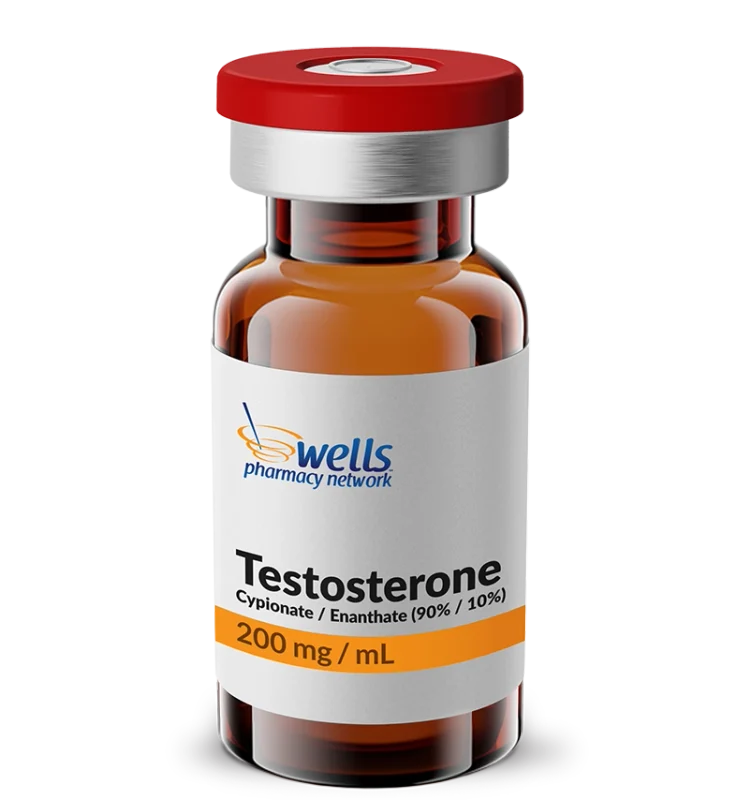
The number 250 on a Testosterone Enanthate product commonly refers to its concentration, expressed as 250 milligrams of testosterone enanthate per millilitre of solution. This measurement describes how much active compound is contained in a particular volume of liquid. It does not automatically indicate a recommended injection amount, a medically appropriate treatment schedule, or a suitable bodybuilding dose. This distinction is especially important because people sometimes confuse product concentration with the amount they should administer. Different manufacturers may also produce different concentrations, formulations, and packaging sizes. Additionally, the quality and authenticity of products sold through unregulated markets can be uncertain. A label claiming 250 mg/mL does not independently establish that the product contains the stated ingredient or concentration. Legitimate prescription products should be obtained through appropriate medical and pharmaceutical channels. Understanding the label helps consumers interpret pharmaceutical information without confusing concentration, total product content, and prescribed treatment amounts. For anyone considering testosterone treatment, a qualified healthcare professional should determine whether treatment is medically indicated and which formulation is appropriate. accessdata.fda.gov+1
3. How Testosterone Enanthate Works in the Body
After administration, testosterone enanthate gradually releases testosterone into circulation as the ester is processed by the body. Testosterone then interacts with androgen receptors located in different tissues, including skeletal muscle, bone, and reproductive organs. These interactions influence several biological processes, including protein synthesis, muscle development, red blood cell production, and the maintenance of male sexual characteristics. Testosterone can also be converted into other hormones through normal metabolic pathways. One important pathway involves aromatase, an enzyme that converts some testosterone into estradiol, a form of estrogen. Another pathway involves the conversion of testosterone into dihydrotestosterone through the enzyme 5-alpha reductase. These processes explain why testosterone treatment can affect multiple systems rather than simply increasing muscle size. Its effects can involve mood, libido, skin, hair, fertility, blood composition, and cardiovascular health. The body’s hormonal system also responds to changes in circulating testosterone through feedback mechanisms involving the hypothalamus and pituitary gland. Consequently, external testosterone can suppress the body’s own testosterone production. This is one reason why testosterone treatment requires proper diagnosis and ongoing medical supervision rather than being approached as an ordinary fitness supplement.
4. Why Is Testosterone Enanthate Popular in Bodybuilding?
Testosterone Enanthate has a long history of discussion within bodybuilding because testosterone is directly involved in the biological processes responsible for maintaining and developing muscle tissue. Athletes and fitness enthusiasts are interested in the relationship between androgen activity, resistance training, muscle protein synthesis, and physical performance. The compound’s long-acting ester has also contributed to its recognition in discussions about injectable testosterone products. However, popularity does not establish safety, and the experiences shared in bodybuilding communities do not replace controlled clinical research. Another reason for its popularity is the widespread availability of information about testosterone, including discussions of hormonal changes, muscle development, and physique enhancement. Unfortunately, online information often mixes medically established facts with personal experiences and marketing claims. Some discussions also overlook the effects of excessive testosterone exposure on fertility, blood pressure, cholesterol, and natural hormonal regulation. Readers should therefore separate legitimate medical information from promotional content designed to encourage nonmedical use. Testosterone has important therapeutic applications, but that does not mean using it to enhance an already normal hormonal profile is medically appropriate.
5. Potential Benefits of Testosterone Enanthate
Testosterone has several established physiological functions, and medically appropriate treatment can improve certain symptoms in men with confirmed testosterone deficiency. Depending on the individual’s underlying condition, treatment may improve sexual symptoms, increase lean body mass, support bone health, and correct some consequences of inadequate testosterone production. Testosterone also contributes to the maintenance of muscle tissue and normal red blood cell production. These functions explain why the hormone attracts considerable interest among people involved in strength training and bodybuilding. Nevertheless, the potential benefits of medically supervised replacement therapy should not be confused with the outcomes of nonmedical performance enhancement. A person with normal testosterone levels may not receive the same clinical benefits as someone with documented deficiency. Higher exposure can also introduce additional adverse effects that outweigh potential physical advantages. Medical guidelines therefore emphasize diagnosing testosterone deficiency through symptoms and consistently low laboratory measurements rather than prescribing testosterone simply because someone wants to increase muscle size. endocrine.org+1
5.1 Muscle Growth and Protein Synthesis
One of testosterone’s important biological functions is its involvement in the regulation of muscle protein metabolism. Muscle tissue constantly undergoes processes of protein breakdown and protein synthesis, and the balance between these processes influences muscle development over time. Testosterone interacts with androgen receptors in skeletal muscle and influences signalling pathways involved in muscle growth. Research has established that testosterone can increase lean body mass, although the magnitude of changes depends on factors such as baseline hormone status, exposure, health, and training. It is also important to recognize that lean body mass is not identical to contractile muscle tissue. Measurements of lean mass can include changes in body water and other non-fat tissues. For bodybuilding audiences, this distinction helps explain why an increase in measured body weight does not necessarily represent an equivalent increase in actual muscle tissue. Resistance training and appropriate nutrition remain important foundations for developing muscle. Testosterone’s physiological role should be understood within this broader context rather than presented as a substitute for consistent training, adequate protein intake, and recovery.
5.2 Strength, Recovery, and Training Performance
Testosterone is also associated with physical characteristics that matter to strength athletes, including muscle mass, red blood cell production, and the maintenance of normal musculoskeletal function. In men with testosterone deficiency, appropriate treatment may improve certain aspects of physical function and body composition. However, the relationship between testosterone levels and athletic performance is complex. Strength depends on several factors, including nervous system adaptation, muscle development, training experience, exercise technique, nutrition, sleep, and recovery. It would therefore be inaccurate to claim that Testosterone Enanthate 250 automatically produces a particular strength increase or guarantees faster recovery. The benefits observed in medically treated individuals also cannot be used to predict the results of nonmedical bodybuilding use. Excessive testosterone exposure can create health problems that interfere with training consistency and general wellbeing. For example, elevated blood pressure, sleep disturbances, mood changes, and cardiovascular complications can negatively affect quality of life. A balanced approach to physical performance should prioritize progressive resistance training, sufficient recovery, and appropriate medical care rather than relying on hormone manipulation.
6. Testosterone Enanthate and Muscle Definition
A common misconception in bodybuilding is that testosterone enanthate directly acts as a fat-burning substance. Testosterone is not a dedicated weight-loss medication, and its effects on body composition should not be confused with those of established obesity treatments. In appropriately selected men with testosterone deficiency, treatment may improve lean body mass and influence body composition. However, the results vary considerably, and an increase in lean mass does not automatically mean a reduction in abdominal fat or a visibly defined physique. Muscle definition depends on the relationship between muscle development and body fat, as well as genetics, hydration, nutrition, and training. Some individuals may also experience fluid retention during testosterone treatment, which can influence body weight and physical appearance. Consequently, before-and-after photographs cannot reliably demonstrate the independent effect of testosterone on fat loss. A person seeking improved muscle definition should understand the importance of nutrition, resistance exercise, cardiovascular activity, and sustainable weight management. Testosterone treatment should only be considered when there is an appropriate medical indication, not simply as a shortcut to achieving a leaner appearance.
7. Testosterone Enanthate Results: What Does the Evidence Say?
People searching for Testosterone Enanthate results often want to know how much muscle they can gain, how quickly strength might improve, and whether the compound can produce a dramatic physical transformation. The scientific answer requires looking beyond bodybuilding testimonials. Clinical studies have demonstrated that testosterone treatment can increase lean body mass in men with low testosterone, although individual responses differ. The effects depend on baseline hormone levels, medical conditions, treatment formulation, and other biological factors. Importantly, clinical studies involving medically supervised treatment cannot be used to predict the results of bodybuilding regimens. There is no scientifically established guarantee that a particular concentration, product, or exposure will produce a specific amount of muscle growth. People should also remember that changes in body weight can reflect water retention, changes in fat mass, and changes in lean tissue. A reliable assessment of physical progress requires consistent measurements and an understanding of the factors influencing body composition. For medical treatment, the more important outcome is whether symptoms improve and testosterone concentrations reach an appropriate range without unacceptable adverse effects. endocrine.org+2
8. Testosterone Enanthate and Estrogen Conversion
Estrogen is often discussed in male bodybuilding communities as though it were a hormone that only affects women. In reality, estradiol plays important roles in male physiology, including bone health, sexual function, and aspects of metabolic regulation. Some testosterone is naturally converted into estradiol through an enzyme called aromatase. This means that changes in testosterone exposure can influence estrogen concentrations as well. However, estrogen is not automatically harmful, and the goal of healthy hormonal regulation is not to eliminate it. Excessive estrogen activity may contribute to symptoms such as breast tenderness, gynecomastia, and fluid retention in some individuals. On the other hand, excessively suppressing estradiol can also cause problems, including joint discomfort, impaired sexual function, and adverse effects on bone health. This is why interpreting estrogen laboratory results requires clinical context rather than relying on a single number. Symptoms, testosterone levels, medical history, and the timing of laboratory testing all matter. People should avoid automatically adding aromatase inhibitors or other hormone-modifying medications because of online bodybuilding recommendations. Hormonal treatment decisions belong under qualified medical supervision.
9. Testosterone Enanthate Side Effects
Although testosterone has important physiological functions, treatment and nonmedical exposure can produce adverse effects. The likelihood and severity of these effects depend on several factors, including the individual’s health, hormone levels, treatment indication, and exposure. Some people experience acne, oily skin, changes in hair growth, or fluid retention. Others may experience changes in mood, sleep, sexual function, or blood pressure. Testosterone can also suppress the body’s natural hormone production and interfere with sperm development. More serious concerns include increased hematocrit, venous thromboembolism, and changes in cardiovascular risk factors. The FDA-approved prescribing information for testosterone products includes warnings relating to polycythemia, blood pressure increases, venous thromboembolism, and impaired spermatogenesis. These are not minor considerations for people using testosterone for cosmetic or performance-related reasons. A person can feel physically strong while developing an adverse change in blood composition or cardiovascular health. Regular medical assessment is therefore important for anyone receiving prescribed testosterone treatment. accessdata.fda.gov+1
9.1 Cardiovascular and Blood-Related Risks
Cardiovascular health is an important consideration when discussing testosterone treatment. Testosterone can stimulate red blood cell production, and some individuals develop elevated hematocrit during treatment. Hematocrit measures the proportion of blood volume occupied by red blood cells. When it becomes excessively elevated, blood viscosity may increase, creating additional clinical concerns. Testosterone products can also increase blood pressure, and the FDA updated relevant prescribing information in 2025 following blood pressure monitoring studies. Another concern is venous thromboembolism, which includes deep vein thrombosis and pulmonary embolism. Symptoms such as unexplained leg swelling, sudden chest pain, or difficulty breathing require urgent medical evaluation. It is also important to distinguish the cardiovascular safety evidence for properly prescribed replacement therapy from the risks associated with nonmedical anabolic steroid use. The results of large clinical trials in appropriately selected patients do not establish that bodybuilding use or excessive exposure is safe. Medical monitoring should consider blood pressure, hematocrit, personal cardiovascular history, and other relevant risk factors. accessdata.fda.gov+1
9.2 Hormonal, Sexual, and Reproductive Effects
Testosterone treatment can influence the reproductive system through its effects on the hypothalamic-pituitary-gonadal axis. When external testosterone enters the body, hormonal feedback mechanisms can reduce the release of luteinizing hormone and follicle-stimulating hormone. These hormones normally help regulate testicular testosterone production and sperm development. As a result, external testosterone can suppress natural testosterone production inside the testes and reduce sperm production. In some individuals, this can lead to significantly impaired fertility. Other possible effects include testicular volume reduction, changes in libido, gynecomastia, and acne. These outcomes are particularly important for younger men who may want to have children in the future. A person should not assume that fertility will automatically return immediately after stopping testosterone. Recovery can vary, and some individuals require specialist evaluation. The Endocrine Society specifically recommends against starting testosterone therapy in men planning fertility in the near future. Anyone concerned about reproductive health should discuss these issues with an endocrinologist or reproductive specialist before considering treatment. endocrine.org+2
10. Testosterone Enanthate and Natural Testosterone Production
The body regulates testosterone production through a communication system involving the hypothalamus, pituitary gland, and testes. This system is commonly called the hypothalamic-pituitary-gonadal axis. When testosterone levels change, the brain adjusts the release of hormones that regulate testicular function. External testosterone can suppress this signalling system because the body recognizes that additional testosterone is already circulating. Consequently, the testes may reduce their own testosterone production and sperm development. This is an important difference between naturally produced testosterone and externally administered testosterone. People who use testosterone for bodybuilding may underestimate how significantly the natural hormonal system can be affected. Suppression can also complicate the period after exposure ends because the body’s own production may not immediately return to its previous level. The speed and completeness of recovery vary among individuals. Some people experience prolonged hormonal suppression, reduced libido, fatigue, mood changes, or fertility problems. There is no universal recovery timeline that can safely be promised. Medical evaluation is particularly important when someone develops symptoms after stopping nonmedical testosterone use.
11. Medical Blood Tests and Health Monitoring
Laboratory testing plays an important role in the safe medical management of testosterone deficiency. Before treatment begins, clinicians generally establish whether the patient has symptoms consistent with testosterone deficiency and confirm that testosterone concentrations are consistently low. The Endocrine Society recommends measuring fasting morning total testosterone and repeating the measurement to confirm the diagnosis. Depending on the circumstances, additional testing may include free testosterone, luteinizing hormone, and follicle-stimulating hormone. These tests help identify whether the problem originates in the testes or the hormonal signalling system. Once treatment begins, clinicians evaluate whether symptoms improve and whether adverse effects develop. Monitoring may include testosterone concentrations, complete blood count, hematocrit, blood pressure, and prostate assessment when clinically appropriate. The specific tests and their timing depend on age, medical history, the formulation used, and individual risk factors. It is important not to interpret laboratory values in isolation. A result outside a reference range does not automatically mean that a medication should be started or adjusted. Proper interpretation requires a healthcare professional who understands the patient’s clinical circumstances. endocrine.org+2
Important laboratory markers to understand:
| Blood test | What it evaluates |
|---|---|
| Total testosterone | Overall circulating testosterone |
| Free testosterone | Unbound testosterone |
| SHBG | Testosterone-binding protein |
| LH | Pituitary signalling to the testes |
| FSH | Hormonal regulation of sperm production |
| Estradiol | Important estrogen hormone |
| CBC and hematocrit | Red blood cell concentration |
| Lipid profile | Cholesterol and triglycerides |
| PSA | Prostate-related assessment when indicated |
| Blood pressure | Cardiovascular monitoring |
12. Testosterone Replacement Therapy vs. Bodybuilding Use
One of the most important distinctions in testosterone education is the difference between testosterone replacement therapy and nonmedical bodybuilding use. Testosterone replacement therapy, commonly called TRT, is intended for men with clinically confirmed testosterone deficiency. Its purpose is to restore hormone concentrations to an appropriate physiological range and improve symptoms associated with the deficiency. Treatment is individualized and requires medical assessment before and during therapy. Bodybuilding use, by comparison, involves taking testosterone primarily to influence muscle growth, physical appearance, or athletic performance rather than to correct a diagnosed medical condition. These different objectives can result in very different patterns of exposure and health risks. A prescription for testosterone does not establish that every bodybuilding application is medically appropriate. The US Food and Drug Administration states that approved testosterone products are intended for men with low testosterone associated with an underlying medical condition. In July 2026, the Endocrine Society also reiterated the importance of accurate diagnosis and laboratory confirmation before treatment. Readers should therefore avoid treating TRT information as a guide to performance-enhancement use. FDA+2
| Feature | Medical TRT | Nonmedical bodybuilding use |
|---|---|---|
| Primary objective | Treat diagnosed testosterone deficiency | Enhance physique or performance |
| Medical diagnosis | Required | Not necessarily present |
| Treatment target | Appropriate physiological testosterone levels | Often performance-oriented |
| Medical supervision | Essential | Frequently inadequate |
| Fertility considerations | Important | Often overlooked |
| Health monitoring | Clinically guided | May be inconsistent |
13. Who Should Avoid Testosterone Enanthate?
Testosterone treatment is not suitable for everyone. Certain medical conditions can make treatment inappropriate or require specialist assessment before any decision is made. The Endocrine Society recommends against starting testosterone therapy in men with conditions including elevated hematocrit, untreated severe obstructive sleep apnea, uncontrolled heart failure, recent myocardial infarction or stroke, and certain prostate or breast cancer-related conditions. Men who plan to have children in the near future should also understand that external testosterone can suppress sperm production. Individuals with a history of blood clots or thrombophilia require particular medical consideration. Another important point is that young, physically active men are not automatically protected from complications. Being muscular, exercising regularly, or having no obvious symptoms does not guarantee that testosterone exposure is safe. People with suspected hormone deficiency should undergo appropriate clinical evaluation rather than self-diagnosing based on gym performance or online symptom lists. Anyone experiencing serious symptoms after testosterone exposure should seek prompt medical care. Decisions about testosterone should be based on individual medical needs, not the popularity of a compound within bodybuilding communities. endocrine.org+2
14. Conclusion
Testosterone Enanthate 250 remains a widely discussed compound in bodybuilding because testosterone plays a significant role in muscle development, strength, recovery, and male reproductive health. Its long-acting ester and established medical applications have made it a familiar name in discussions about anabolic-androgenic steroids. However, understanding its potential benefits requires looking beyond bodybuilding testimonials and marketing claims.
Testosterone can support lean body mass and improve certain symptoms in men with clinically confirmed testosterone deficiency. At the same time, external testosterone can suppress natural hormone production, reduce fertility, increase hematocrit, affect blood pressure, and cause other adverse effects. The risks become particularly important when testosterone is used without a medical indication or appropriate supervision.
For anyone researching Testosterone Enanthate 250 for bodybuilding, the most important takeaway is that pharmaceutical concentration does not determine an appropriate treatment dose, and a product’s popularity does not establish its safety.
At ReinStoreClinic.com, our goal is to provide educational information that helps readers understand anabolic compounds, hormonal health, clinical research, and potential adverse effects. Informed decisions should always begin with reliable evidence and qualified medical guidance.
Frequently Asked Questions (FAQs)
1. What is Testosterone Enanthate 250 used for in bodybuilding?
Testosterone Enanthate 250 is commonly discussed in bodybuilding because testosterone influences muscle protein metabolism, muscle development, and male hormonal function. However, its medical indication is the treatment of appropriately diagnosed testosterone deficiency, not routine bodybuilding enhancement.
2. Does Testosterone Enanthate 250 help build muscle?
Testosterone can increase lean body mass, particularly in men with testosterone deficiency receiving appropriate medical treatment. However, individual outcomes vary, and increased lean body mass does not necessarily represent an equivalent increase in contractile muscle tissue.
3. Does Testosterone Enanthate increase estrogen?
Yes. Testosterone can be converted into estradiol through an enzyme called aromatase. This is a normal biological process. Excessive estrogen activity may contribute to symptoms such as breast tenderness and gynecomastia, but estrogen also has important functions in male health.
4. Can Testosterone Enanthate affect fertility?
Yes. External testosterone can suppress the hormones responsible for stimulating natural testosterone production and sperm development. This may significantly reduce sperm production and fertility. Men planning to have children should discuss this risk with a healthcare professional before treatment.
5. What blood tests should be monitored during testosterone treatment?
Depending on individual circumstances, medical monitoring may include total testosterone, free testosterone, CBC, hematocrit, blood pressure, lipid profile, and prostate-related assessments when appropriate. LH, FSH, estradiol, and SHBG may also be useful in specific clinical situations.
Medical references and authoritative resources
Use these references as supporting external links within the article:
- Endocrine Society – Testosterone Therapy for Hypogonadism.
- FDA – Testosterone Information and Safety Updates.
